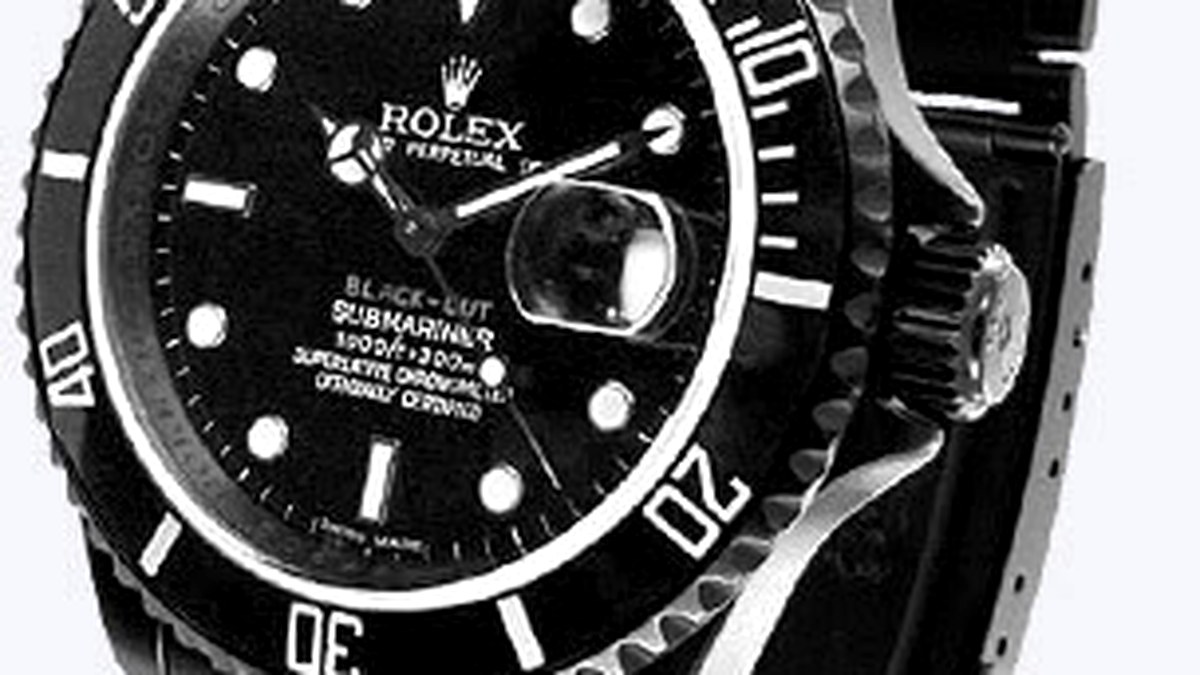
Water resistance belongs to the individual watch
A model name, screw-down crown or seller claim does not establish pressure performance. Water resistance depends on the assembled system: crystal fit, case back, crown tube, gaskets, pushers where present and the condition of every sealing surface.
Dry versus wet pressure testing
A watchmaker can use pressure equipment to identify leakage risk without simply putting an unverified watch into water. The specific procedure and pressure should be appropriate for the watch and test equipment. If a seller advertises a rating, ask for evidence tied to the individual watch rather than a generic factory statement.
Why recent service matters
Gaskets age, crowns wear and case backs can be opened incorrectly. A watch that passed a test months or years ago should not be assumed to retain the same performance after servicing or impact. Pressure testing should be repeated when water exposure matters.
Chronograph pushers add complexity
Daytona-style watches introduce additional pusher seals. Screw-down pusher caps are not a substitute for proper internal sealing. Never operate chronograph pushers underwater unless the specific watch is designed and tested for that use.
Compare the actual watch, not only the listing title
If the watch will see water, rely on a recent individual pressure test and gasket/crown inspection rather than a copied depth rating from a genuine Rolex specification.
Visit RetailerPractical rule
If you would be upset by water damage, pressure-test the actual watch first. For unverified replicas, conservative everyday handling is more rational than inferring a rating from resemblance to the genuine model.
The sealing path should be understood component by component
Water can enter through the crown/tube interface, crystal gasket, case-back gasket and chronograph pushers. A pressure test does not tell you which seal is responsible if the watch fails, but understanding the paths helps a watchmaker inspect the right components.
New does not mean tested
A newly assembled replica can have pinched gaskets, debris on a sealing surface or an incorrectly tightened case back. Conversely, an older watch with good gaskets can still pass. Age and appearance are weak substitutes for an actual test.
Temperature and real-world use
Temperature changes, impacts and repeated crown use can stress seals. A watch that passes a controlled test should still be treated sensibly. Avoid operating the crown under water and make sure it is fully secured before exposure.
Pressure ratings are not a universal activity chart
Marketing tables that translate a nominal meter rating directly into activities oversimplify case design and test standards. For a replica, the safer approach is to test the specific watch and discuss intended use with the person performing the test.
After a failure
If moisture appears under the crystal, stop using the watch and have it opened and dried promptly. Continuing to run a wet mechanical movement can turn a gasket problem into corrosion damage across movement, hands and dial.
Document the test
When water resistance matters, keep the date and result of the most recent test with your service records. This is more useful than relying on the original seller description months later.
Pressure-test numbers should be tied to the test method
A result is more useful when it records the test pressure, whether the test was dry or wet, the equipment used and the date. “Passed waterproof test” without a pressure value provides little context. Ask the watchmaker to explain what level of use the result supports.
Crown lubrication and gasket condition
Dry or damaged gaskets can be harmed by repeated crown operation. During service, appropriate gasket inspection and lubrication may be needed. A crown that feels unusually gritty or difficult to screw down should be checked before pressure testing rather than forced.
Water resistance and warranty are separate
Even when a seller provides a pressure result, understand whether water damage is actually covered by their warranty or return policy. Many sellers exclude it. Treat testing as risk reduction, not as an unlimited guarantee.
Understand what a dry pressure test can and cannot show
Dry testers measure case deformation or leakage behavior without immersing the watch. They are useful because a failure does not immediately expose the movement to water. The useful result is the tested pressure and pass/fail condition, not a vague statement that the watch was “checked.” Ask the tester what real-world use they consider appropriate after the result.
Wet testing adds information but also requires proper procedure
Wet methods can help locate leaks when performed by a competent watchmaker, but they should not be improvised on an unverified watch. A failed test can damage the movement if the procedure is wrong. This is one reason individual service documentation is more meaningful than a factory depth-rating graphic.
Pressure ratings are not a permanent property
Gaskets age, crowns are operated, cases are opened for service and impacts can disturb seals. A watch that passed when new may not pass after months or years. If swimming or repeated water exposure matters, retest periodically and after any case-opening service.
Condensation is an immediate warning sign
Fogging or droplets under the crystal indicate moisture inside the case. Stop exposing the watch to water and seek service promptly; simply waiting for the condensation to disappear does not remove moisture from the movement. Early intervention can reduce corrosion risk.
Frequently asked questions
Does a screw-down crown make a watch waterproof?
No. It is only one component of the sealing system.
Can I trust a factory pressure-test card?
It is more useful when it identifies the individual watch and test conditions; independent testing remains the strongest evidence.
Should a replica Submariner be assumed to handle 300 m?
No. The genuine 300 m rating is not transferable to a replica.
When should a pressure test be repeated?
After case opening, gasket work, impact or whenever reliable water exposure matters and the previous test is no longer current.