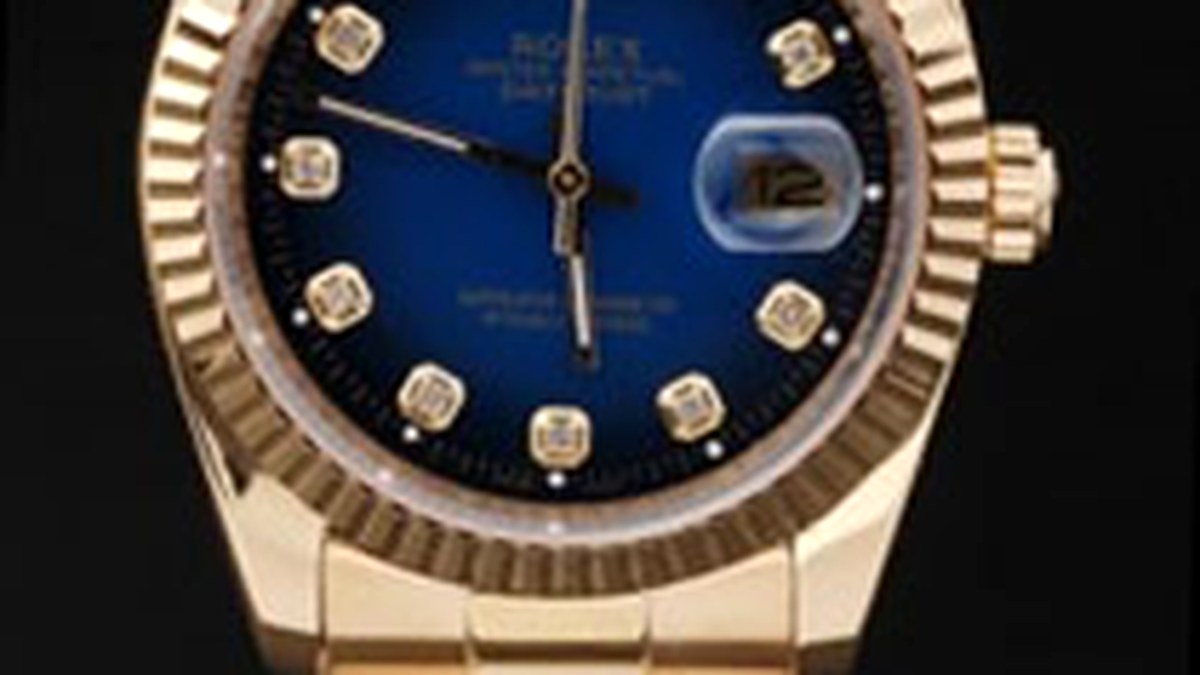
Use the same QC order every time
A consistent sequence prevents attractive details from distracting you from fundamental problems. Start with the whole watch, then work inward toward the dial and movement.
1. Confirm configuration
- Model family and intended reference/generation.
- Case size and approximate thickness.
- Bezel, dial, bracelet and material configuration.
2. Inspect the case
- Lug symmetry and finishing transitions.
- Crown/crown-guard position.
- Crystal height and rehaut depth.
- Case-back fit and obvious tool marks.
3. Inspect the dial
- Marker alignment and print baselines.
- Hand lengths and clearances.
- Date/Cyclops or weekday centering where fitted.
- Bezel zero alignment with dial.
4. Test movement functions
- Winding feel and crown positions.
- Seconds stop if claimed.
- Date, day, GMT or chronograph functions.
- Observed accuracy and power reserve where available.
5. Inspect bracelet and clasp
- End-link gaps and taper.
- Link articulation and edge finishing.
- Clasp lock, extension and centering.
6. Request tests relevant to your use
Timegrapher results help with movement condition; pressure tests help with water-use decisions. Neither should be interpreted as proof of every quality claim.
Compare the actual watch, not only the listing title
Approve or reject the actual sample from a repeatable photo and function checklist; factory reputation and listing images should only tell you where to inspect more closely.
Visit RetailerQC red flags
- Only catalogue images are available.
- Seller cannot identify the actual movement.
- Complications are not demonstrated in video.
- Claims such as 904L, Swiss or water resistance are used to justify price without evidence.
- Reference details conflict across case, dial and bracelet.
Photo set: minimum useful angles
Request a straight-on dial image, both case sides, crown side close-up, case-back view, clasp open and closed, end-link view and an angled crystal/rehaut view. Complex models should add close-ups of chronograph pushers, GMT hand stack or day/date apertures as appropriate.
Video set: prove motion and functions
A short rotation video reveals reflective finishing and case shape. A second video should demonstrate winding and every crown position. Chronographs need start/stop/reset; GMT watches need hour/GMT/date behavior; Day-Date watches need day/date setting and transition.
Movement evidence
If the case can be opened without compromising the transaction, ask for a clear movement photo. Compare visible architecture with the claimed base caliber. Look for obvious contamination, damaged screws and decoration that hides rather than clarifies the movement identity.
Timegrapher evidence
Record rate, amplitude and beat error along with the position and state of wind. Do not chase a single perfect number at the cost of stability. If the watch is far outside the movement maker's normal range, ask whether regulation or service is needed.
Dimensional checks
Case diameter alone can hide proportion problems. Useful measurements include thickness, lug-to-lug, lug width and bracelet taper. Compare them with the intended reference or with trusted measurements from the same generation.
Rejecting versus accepting with a defect
Classify each issue as functional, reference-accuracy, cosmetic or evidence-related. Functional failures and incorrect model configurations deserve more weight than tiny dust that may not be visible in normal wear. The checklist should support a rational decision rather than a search for microscopic perfection.
Reference-comparison method
Place the QC image beside a manufacturer reference photo taken from a similar angle. Compare large geometry first: case, bezel, dial opening, hand lengths and bracelet transition. Only after those pass should you spend time on small fonts and engraving. This order prevents micro-details from distracting from a fundamentally wrong silhouette.
Lighting discipline
Request at least one neutral image without dramatic reflections. Harsh lighting can hide scratches in black areas and make polished edges look sharper. Diffuse light is better for surface consistency; directional light is better for transitions and waviness. Both are useful.
Functional acceptance test
Before final acceptance, run through a written sequence once without interruption. Wind, set time, set calendar or GMT, operate chronograph if present, inspect crown closure and test clasp. A repeatable script reduces the chance of forgetting one function because the seller conversation is moving quickly.
Post-delivery comparison
Compare the received watch to the approved QC images before resizing or removing films. If serial or distinguishing marks are visible, verify that the same sample arrived. Document any discrepancy immediately.
Minimum photo set before approval
A useful QC set should include a straight-on dial, both case sides, clasp open and closed, case back, bracelet/end-link close-ups and at least one neutral-light image. Complicated models need additional views of calendar windows, subdials or bezel alignment. If a defect could hide at an angle that was never photographed, the QC set is incomplete.
Use video for functions that still photos cannot prove
Ask for one continuous clip showing winding and each crown position. For GMT models, include local-hour and 24-hour-hand setting; for chronographs, start, stop and reset; for day/date watches, show quick-set behavior if provided. Continuous video is more useful than several edited clips because it makes the sequence and resulting hand positions easier to follow.
Define severity before you see the watch
Classify issues as cosmetic preference, correctable QC issue or rejection-level defect. A tiny dust speck may be acceptable to one buyer, while a nonfunctional complication or wrong case size may be automatic rejection. Predefining severity reduces emotional decisions after attractive QC photos arrive.
Do a second inspection after delivery
Before resizing or wearing the watch extensively, compare serial or distinguishing details with the approved QC images, test all functions again and record timing over a normal day. Shipping can expose loose screws, shifted hands or regulation changes that were not visible before dispatch.
Frequently asked questions
How many QC photos are enough?
There is no fixed number. You need enough angles to evaluate the dial square-on, both side profiles, bracelet/clasp and any movement or test evidence relevant to your decision.
Should I reject a watch for one small cosmetic defect?
That depends on your priorities and whether the defect affects function or is acceptable at the price. The purpose of QC is informed choice, not perfection.
Is a timegrapher result proof of movement identity?
No. It measures timing behavior; a movement photo and functional evidence are still needed for identification.
What deserves automatic rejection?
Any issue that violates your must-have criteria, such as a nonfunctional complication, seriously wrong reference configuration or unverified water claim when you need reliable water use.